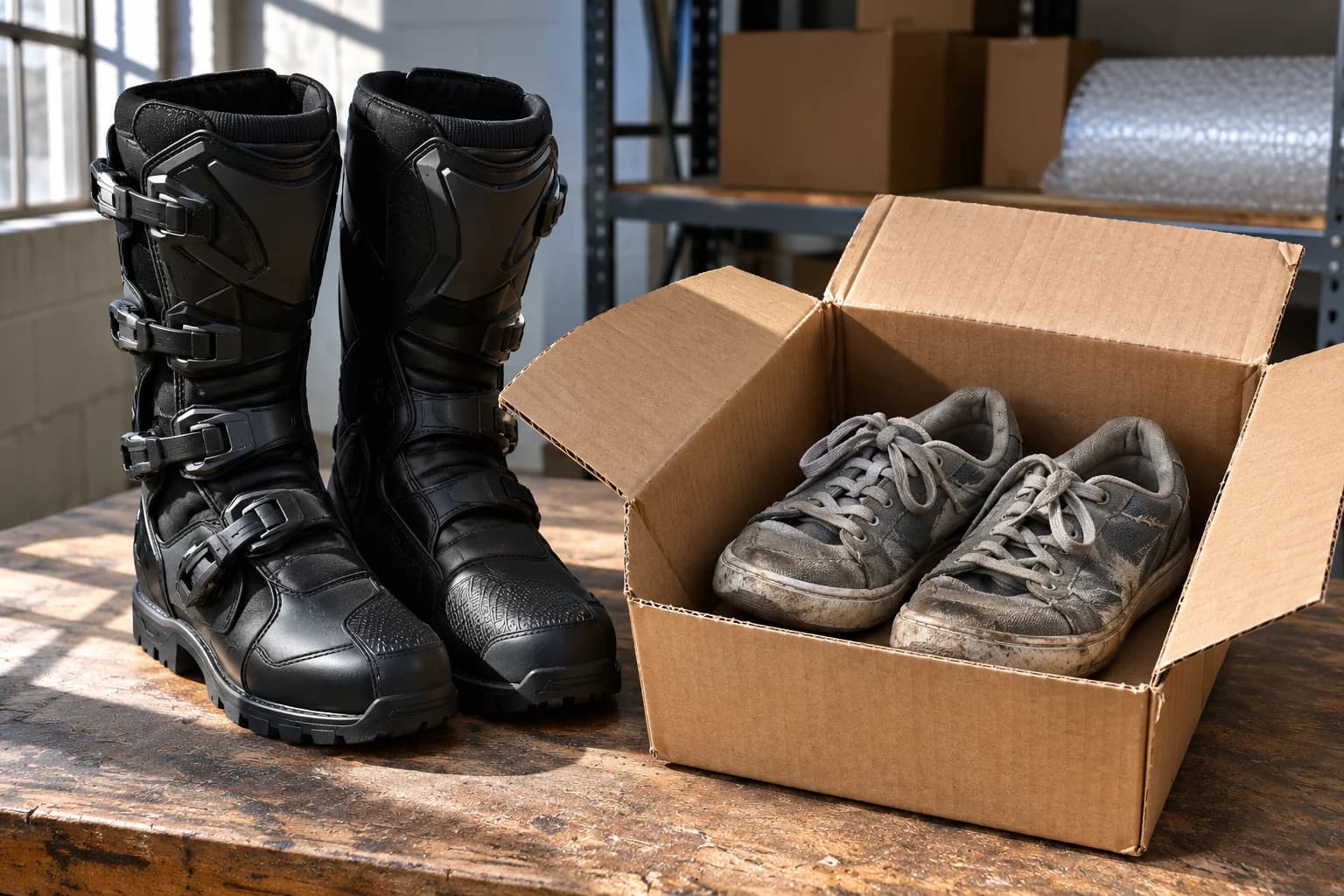
The seller expected a pair of Alpinestars Tech 10 boots back. What arrived, according to their public Amazon.com forum post, was a pair of used Nike running shoes. They put the value of the boots at around $600. The seller also described a weight mismatch: an 11-pound product and a 3.6-pound return package.
They said they supplied photographs and weight evidence, but their SAFE-T reimbursement claim was denied twice. The responses, they wrote, referred to refund timing. The seller acknowledged delaying the refund while trying to contact the buyer. Amazon moderator Joey_Amazon asked for the order ID so he could examine the options; he did not announce an approved claim. The public thread showed no verified reimbursement outcome when we checked on November 3, 2026.
That leaves a painful question for anyone opening a suspicious return: can convincing photographs still leave you with an unpaid claim? The practical answer starts with the transaction history. Evidence of what came back and eligibility for reimbursement are separate parts of the case.
The detail hiding behind the photographs
Amazon's official US announcement says that, from January 26, 2026, sellers have four calendar days to process a refund after receiving a return. If the seller does not act and Amazon issues an automatic refund, SAFE-T reimbursement is generally unavailable. The announcement identifies exceptions, including a return lost in transit or an incorrect delivery confirmation through no fault of the seller. It also recommends the Guided Refund workflow for assessing condition, applying appropriate restocking fees and submitting evidence.
In the same discussion, Amazon clarified that Refund at First Scan continues. The four-day change applies to relevant returns where Amazon has not already issued that first-scan refund. That distinction matters: the words Amazon refunded the buyer do not tell you which process occurred.
We cannot reconstruct this seller's transaction timestamps from the post. Nor does a complaint establish intentional fraud by a buyer. What it does offer is a reason to examine your own refund record before writing an appeal centred entirely on the returned item.
Build two short records for the same order
Our recommendation is to make one record of the physical return and another of the refund sequence. Keep them together under the order ID. This makes it easier to spot whether the decision disputes the item, the timing, or the route used for reimbursement.
- For the return, connect the order to the parcel you received. Preserve the label, packaging, product photographs and any original identifying records you already have.
- For the timing, save the carrier's delivery event, your actual receipt record, any action you completed in Seller Central, and the refund transaction with its date and source.
- For the claim, keep the original submission, every attachment, the decision and any appeal. Put the stated denial reason at the top of the file.
A weight difference can support an explanation, but describe its source. A carrier measurement, a label weight and a measurement on your own scale are different records. Do not turn an estimate into a carrier-confirmed fact. If the underlying record is missing, say what is known and leave the gap visible.
Answer the reason the claim was rejected
If the denial concerns timing, another photograph alone may leave that issue unanswered. Check whether the dates are correct and whether the refund was classified correctly. If your records contradict the decision, identify the exact event and attach the record that supports it. If the dates agree, repeating the same accusation does not create a new exception.
Amazon's SAFE-T guide directs sellers to communicate through Manage SAFE-T Claims. It describes an appeal within seven days of the decision, with additional information, and says a claim can be appealed once. Check the Reply by or Appeal by deadline displayed for your claim before preparing another submission.
Two deadlines do different jobs
Amazon's 2026 guidance sets a separate 30-day filing window, generally measured from the return delivery scan or refund date, whichever is later; lost shipments use the last scan event. This filing window does not extend the four-day return assessment period. Check the dates and eligibility shown for the individual order.
The distinction between the assessment period and the filing window is explained in Amazon's 2026 SAFE-T update.
Give the next return an owner
The operational lesson is useful before a dispute exists. Decide who checks incoming returns, who records discrepancies and who completes the necessary action in Seller Central. Make the handoff visible to the next person. A parcel can otherwise sit between a warehouse team waiting for customer service and a customer service team waiting for photographs.
Set an internal review target comfortably before the applicable deadline and include weekends in the handoff plan. Do not assume a message to the buyer pauses a platform deadline. When an item looks wrong, preserve the evidence and check the available workflow promptly. The aim is to protect both parts of the case: a clear account of the return and an accurate record of how it was handled.
This article concerns a public US seller-forum episode and seller-fulfilled returns. The seller's account is attributed, and the underlying parcel and transaction records have not been independently verified. The cover is an original AI-generated illustration, not a photograph of this return or evidence from the case.